
Friday, October 29, 2010
Great World-Wide Star Count is Underway!
The Great World-Wide Star Count is underway now through November 12th. It is an easy & fun way to participate in real science and help measure light pollution in the process. Follow the link to learn how to participate.


Astrophoto Friday - Witch's Broom Nebula
It is Astrophoto Friday again and almost Halloween, so today we give you the Witch's Broom Nebula.
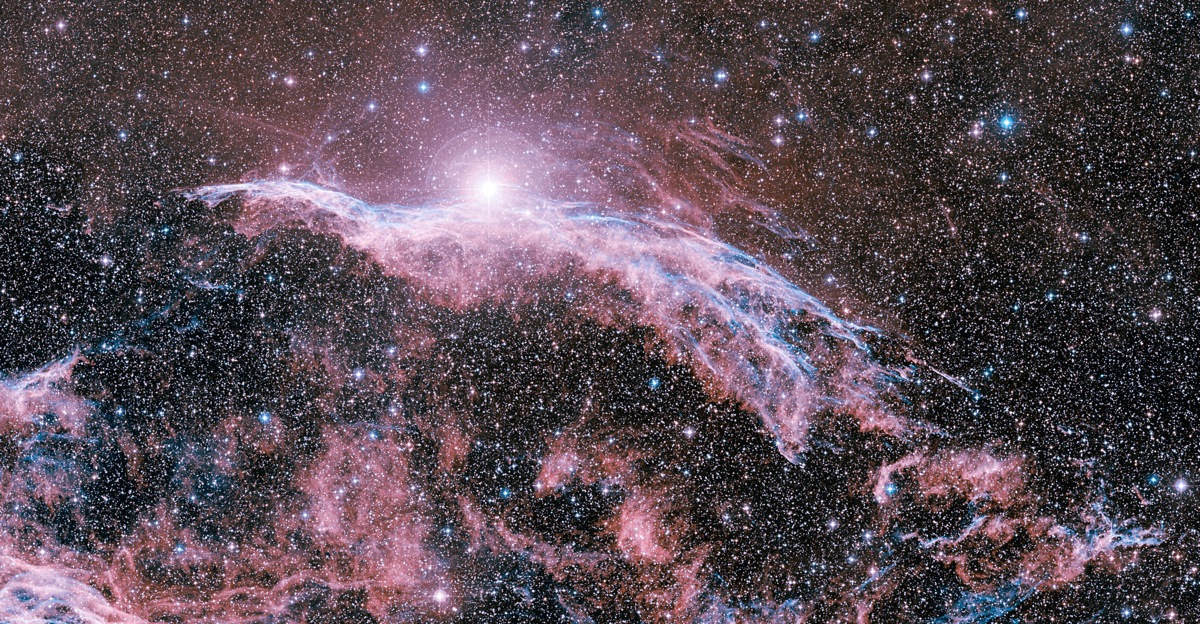
The Witch's Broom Nebula (a part of the Veil Nebula supernova remnant) is about 1,400 light years distant in the direction of the constellation of Cygnus the Swan.
This image was produced from several photos taken with Palomar's 48-inch Samuel Ochin Telescope as a part of the Second Palomar Observatory Sky Survey. The image was processed by Davide De Martin. You can check out many more great images that he has produced at his SkyFactory website.
The Witch's Broom Nebula (a part of the Veil Nebula supernova remnant) is about 1,400 light years distant in the direction of the constellation of Cygnus the Swan.
This image was produced from several photos taken with Palomar's 48-inch Samuel Ochin Telescope as a part of the Second Palomar Observatory Sky Survey. The image was processed by Davide De Martin. You can check out many more great images that he has produced at his SkyFactory website.
Monday, October 25, 2010
Palomar History Photo of the Week -
Back in early July I posted a modern photo of the support structure of the 200-inch telescope.
Here is what I had to say about it back then:
It is essentially a structure that is independent of the building that contains it. Our history photo for this week helps to illustrate that point as it shows the structure as it looked before the building was added around it.
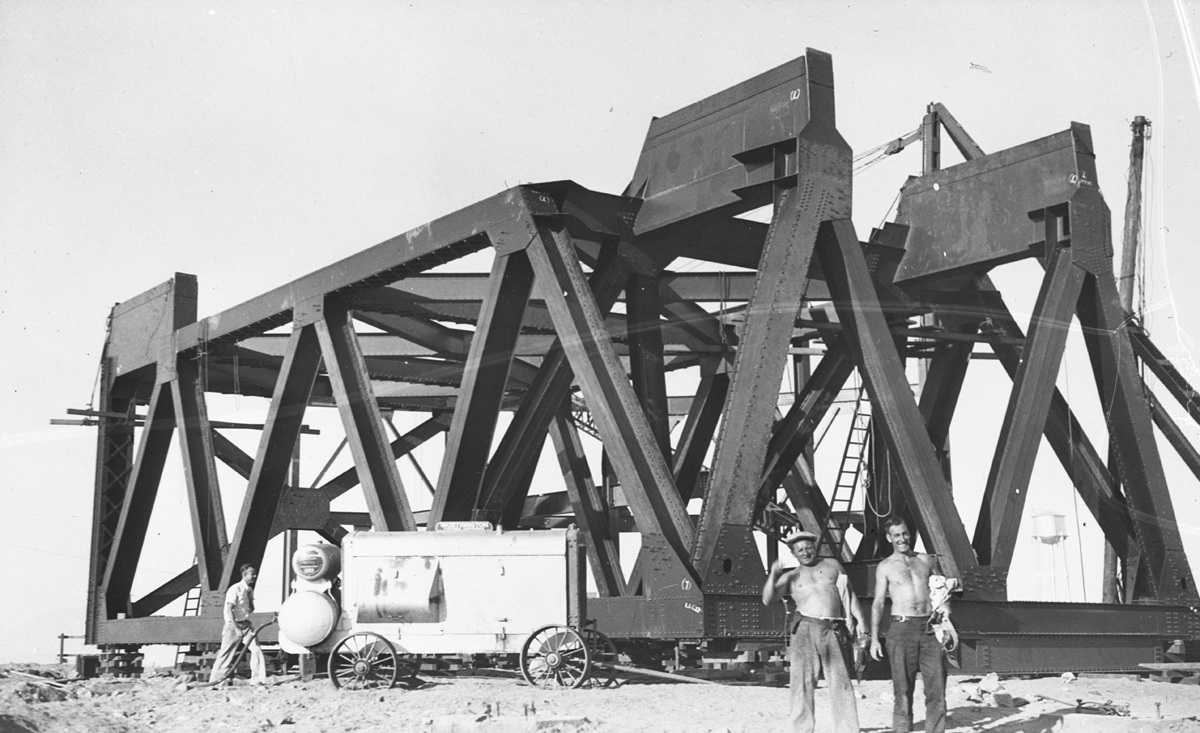
The photo was taken September 28, 1936.
Here is what I had to say about it back then:
The support structure for the telescope was assembled out of steel in 1936. Dropping down 22-feet into the ground, it is anchored to Palomar Mountain itself. Its parts were both welded and riveted together. The structure is isolated from the foundation of the building to ensure that no vibrations would carry to the telescope itself.
It is essentially a structure that is independent of the building that contains it. Our history photo for this week helps to illustrate that point as it shows the structure as it looked before the building was added around it.
The photo was taken September 28, 1936.
Saturday, October 23, 2010
40 Years Ago Today
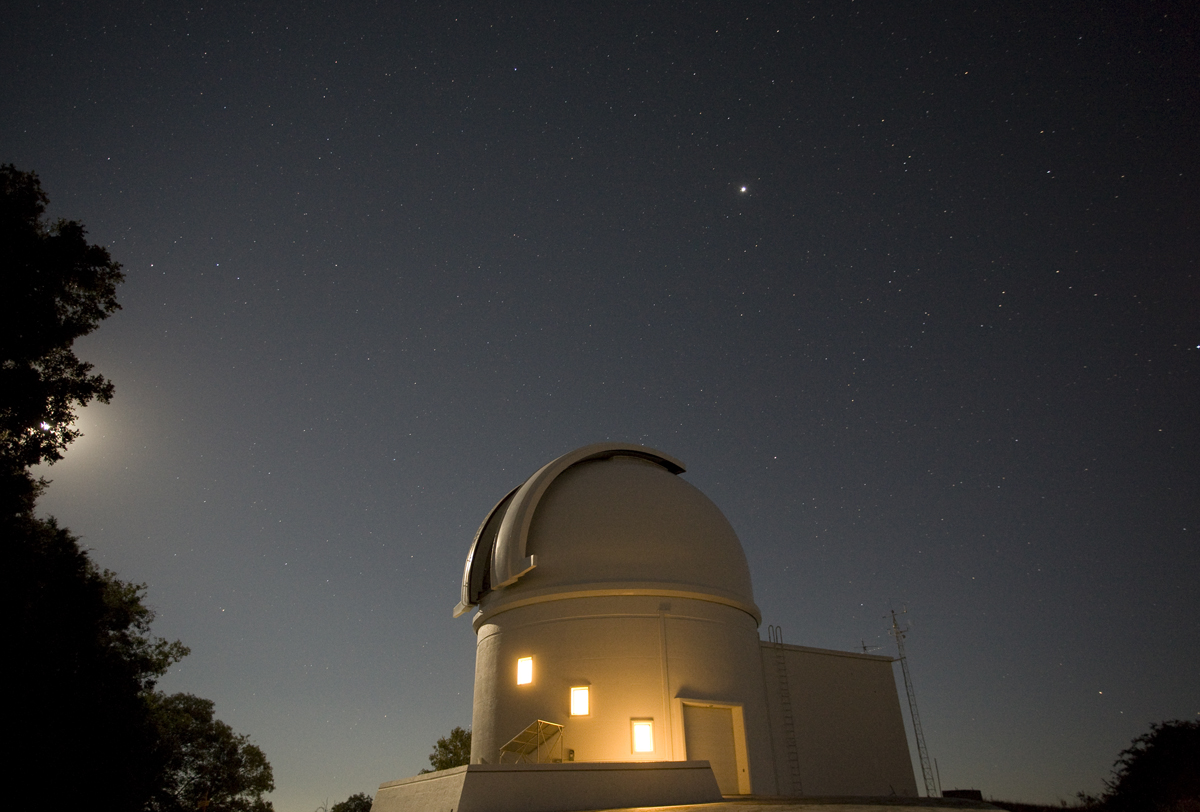
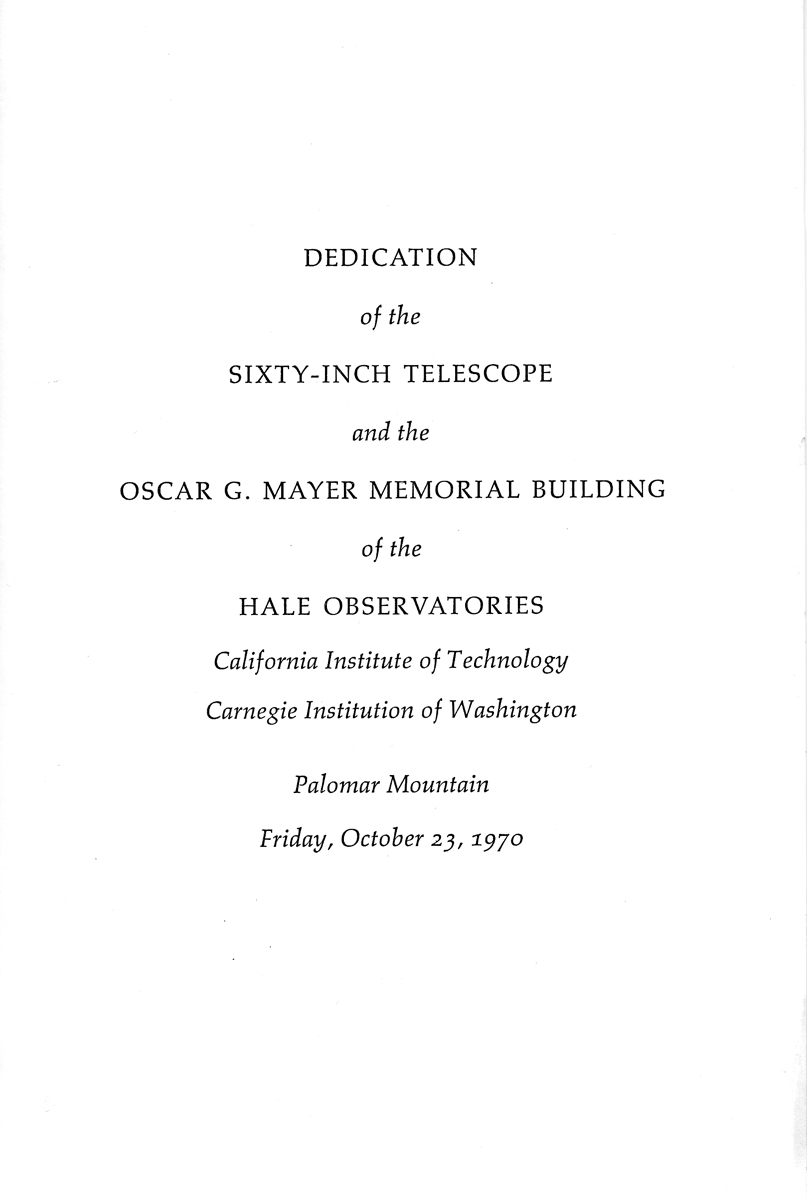
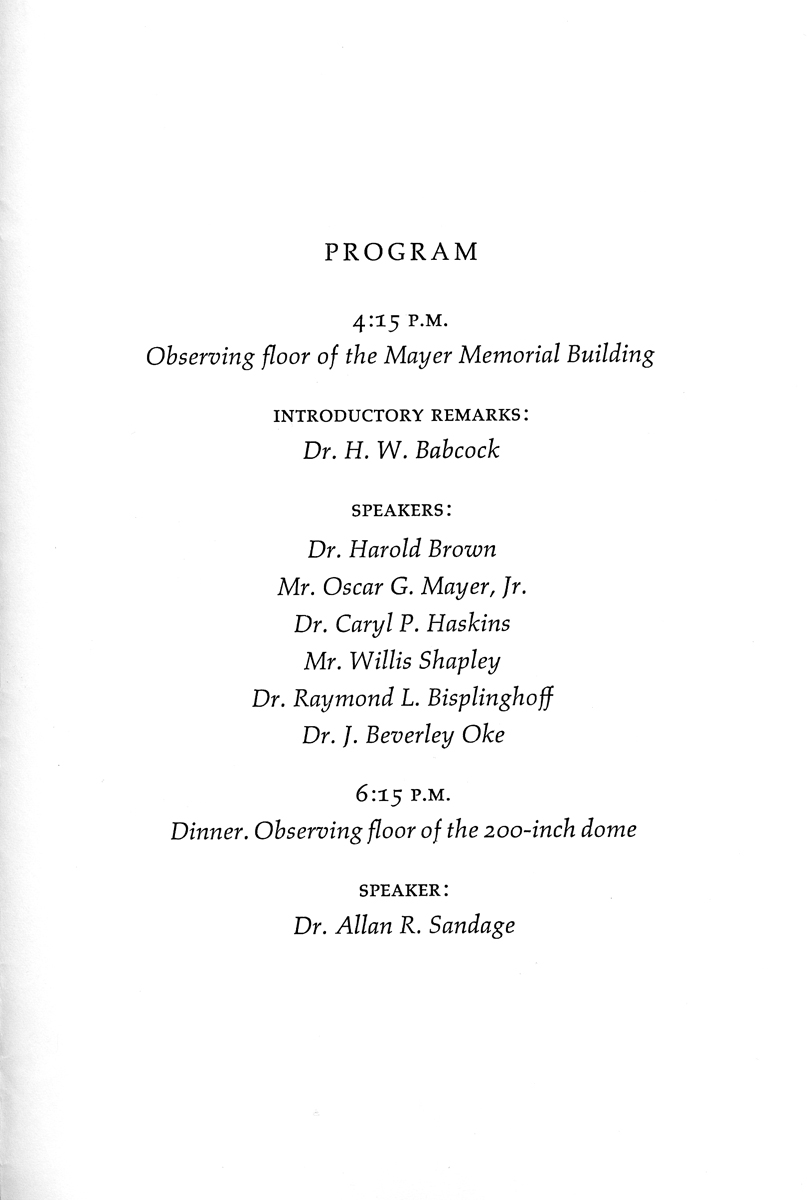
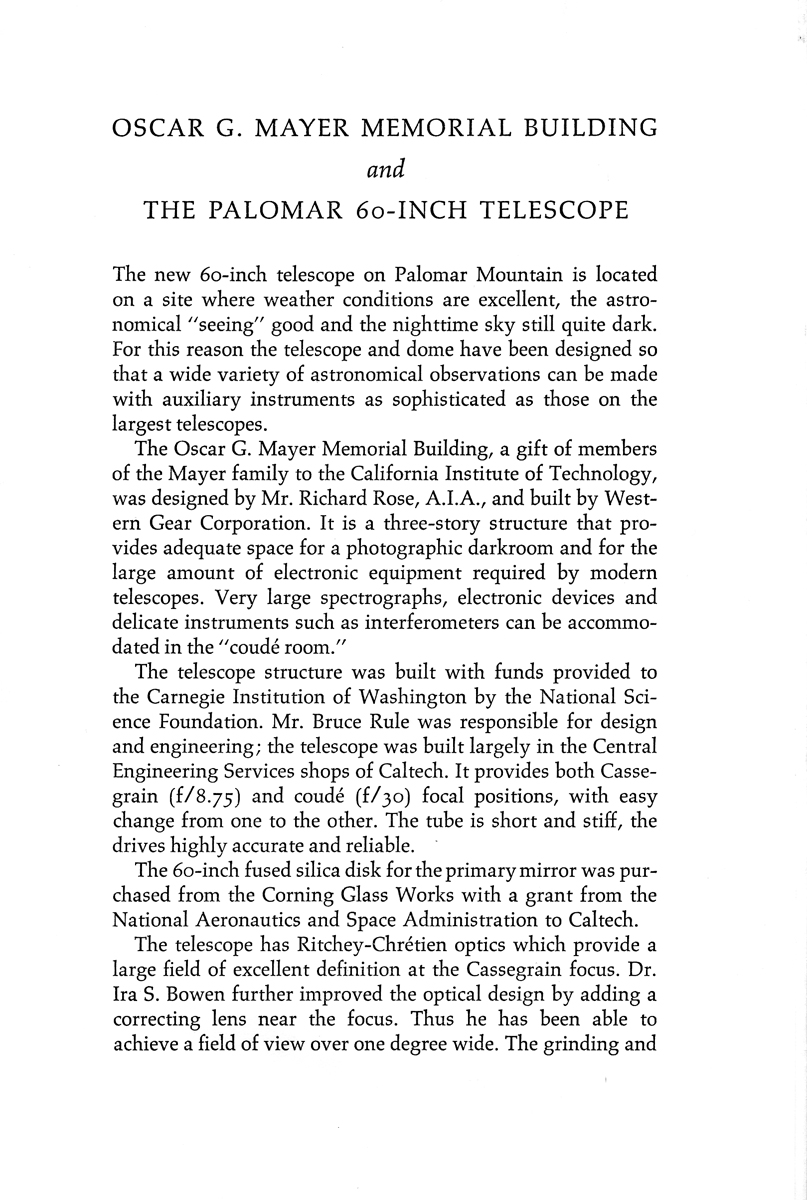
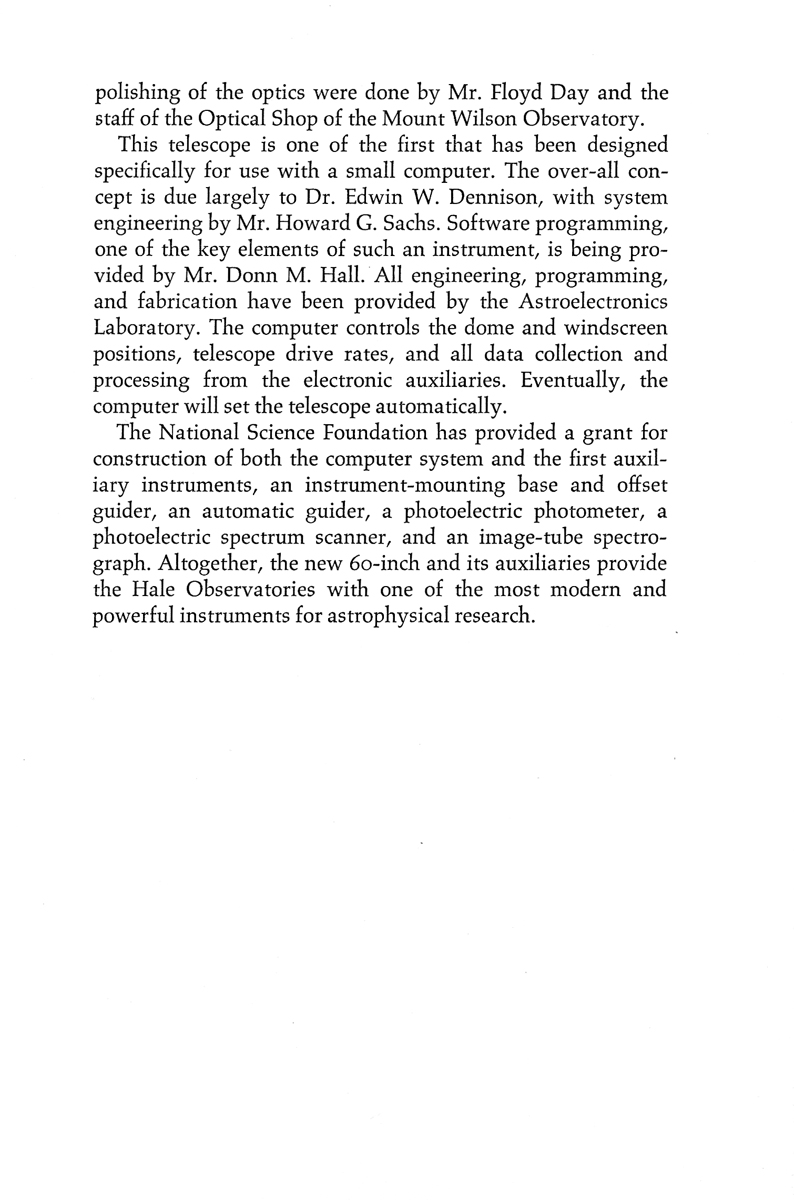
40 years ago today Palomar Observatory's 60-inch telescope was dedicated. The telescope is currently seeing heavy use as a part of the Palomar Transient Factory survey and next year it will be fitted with adaptive optics as a part of the Robo-AO project. But 40 years ago it was brand new. For your enjoyment below is a copy of the dedication program as the telescope was commissioned.

Friday, October 22, 2010
Astrophoto Friday - Uranus with Adaptive Optics
Once again it is Astrophoto Friday. Last week's choice was Neptune as seen by the Hale Telescope with adaptive optics. This week we move inward to bring you the planet Uranus.

This image of Uranus was taken on 11 August 2006 with the Palomar Observatory's 200-inch (5-meter) Hale Telescope and its Adaptive Optics system. The Adaptive Optics system removes the blurring effects of Earth's atmosphere to produce very high resolution images.
Don Banfield of Cornell University collected and processed the data to produce this false color image. The image was recorded in three near-infrared wavelengths: "J" centered at 1.250 microns, "H" at 1.635 microns, and "Ks" at 2.150. The images were combined as red, green, and blue to create this false-color image. Several cloud features can be seen at Uranus' atmosphere. The planet's rings (seen nearly edge-on) show up as the red area off of the planet's disk.
This image of Uranus was taken on 11 August 2006 with the Palomar Observatory's 200-inch (5-meter) Hale Telescope and its Adaptive Optics system. The Adaptive Optics system removes the blurring effects of Earth's atmosphere to produce very high resolution images.
Don Banfield of Cornell University collected and processed the data to produce this false color image. The image was recorded in three near-infrared wavelengths: "J" centered at 1.250 microns, "H" at 1.635 microns, and "Ks" at 2.150. The images were combined as red, green, and blue to create this false-color image. Several cloud features can be seen at Uranus' atmosphere. The planet's rings (seen nearly edge-on) show up as the red area off of the planet's disk.
Thursday, October 21, 2010
Looking Through the Telescope
This isn't exactly what people usually have in mind when talking about looking through the Hale Telescope.
Here is the last picture to post from the recent secondary mirror inspection. At the end of the work I had the opportunity to go up in the basket to see the mirror. Alas, there wasn't enough light for me to capture the secondary, but the view looking inside the tube of the Hale Telescope from just below prime focus was pretty good.
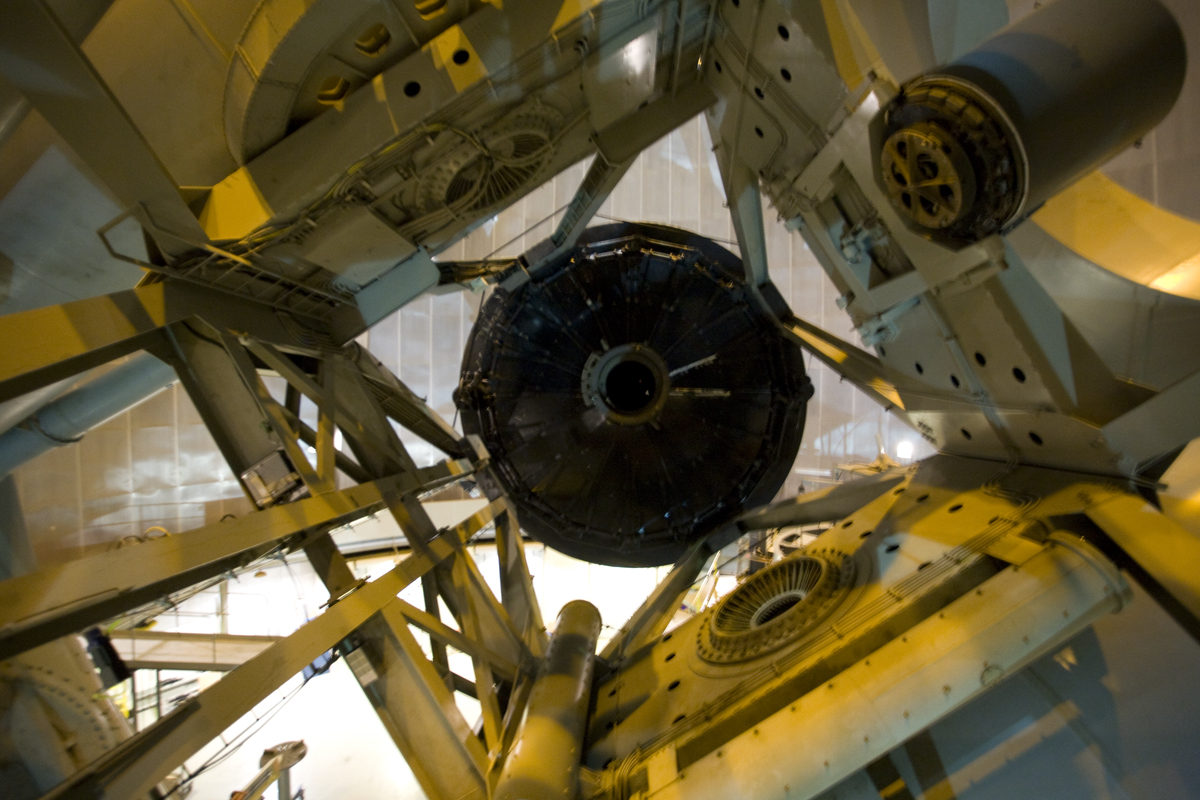 There is a lot in this photo. So I have prepared an annotated version that shows off some of the major parts:
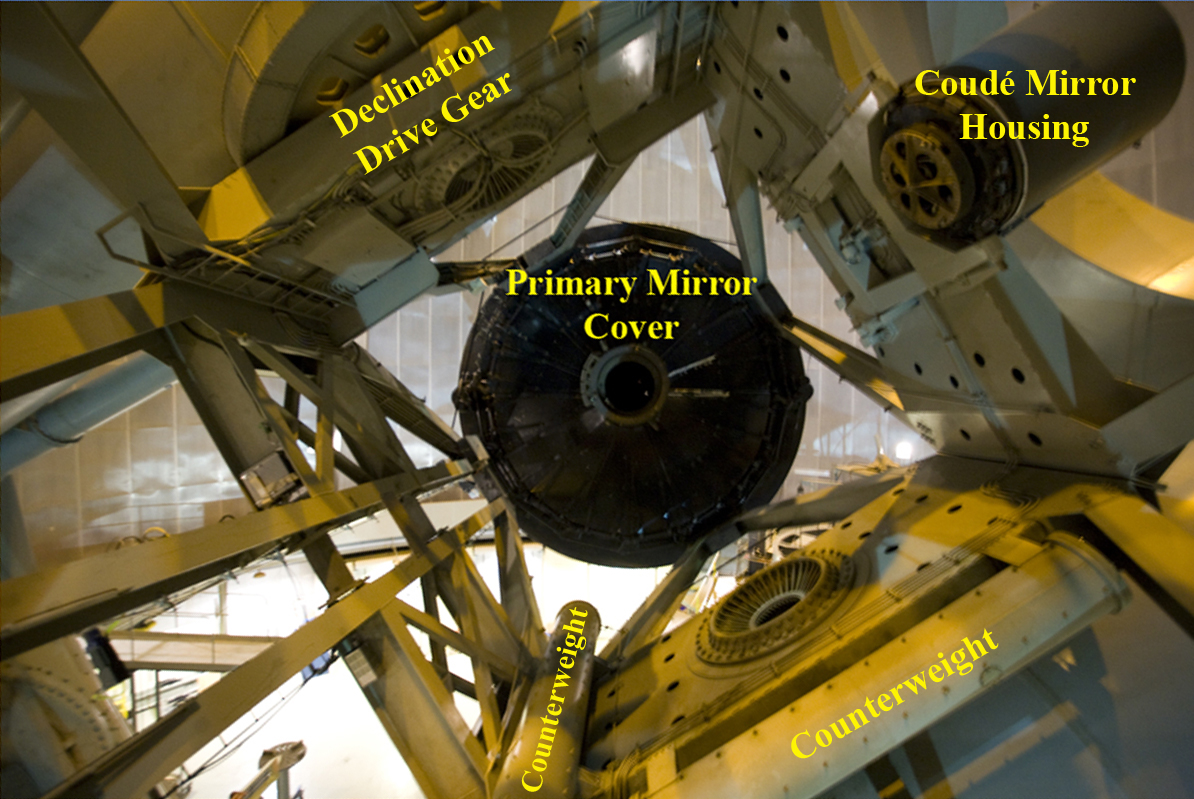
Here is the last picture to post from the recent secondary mirror inspection. At the end of the work I had the opportunity to go up in the basket to see the mirror. Alas, there wasn't enough light for me to capture the secondary, but the view looking inside the tube of the Hale Telescope from just below prime focus was pretty good.
There is a lot in this photo. So I have prepared an annotated version that shows off some of the major parts:
Secondary Inspection Movie
Here is a short, time-lapse movie from last week's secondary mirror inspection (photos in the previous post) as captured by the Hale Telescope's webcam.
Here is direct link to the movie on YouTube.
Here is direct link to the movie on YouTube.
Wednesday, October 20, 2010
Inspecting the Hale Telescope's Secondary
One day last week it was time for a routine inspection of one of the Hale Telescope's three secondary mirrors. The extreme pointing of the telescope to the east provided for easier access for the crew to get to the secondary mirror and it made for some nice photo opportunities.
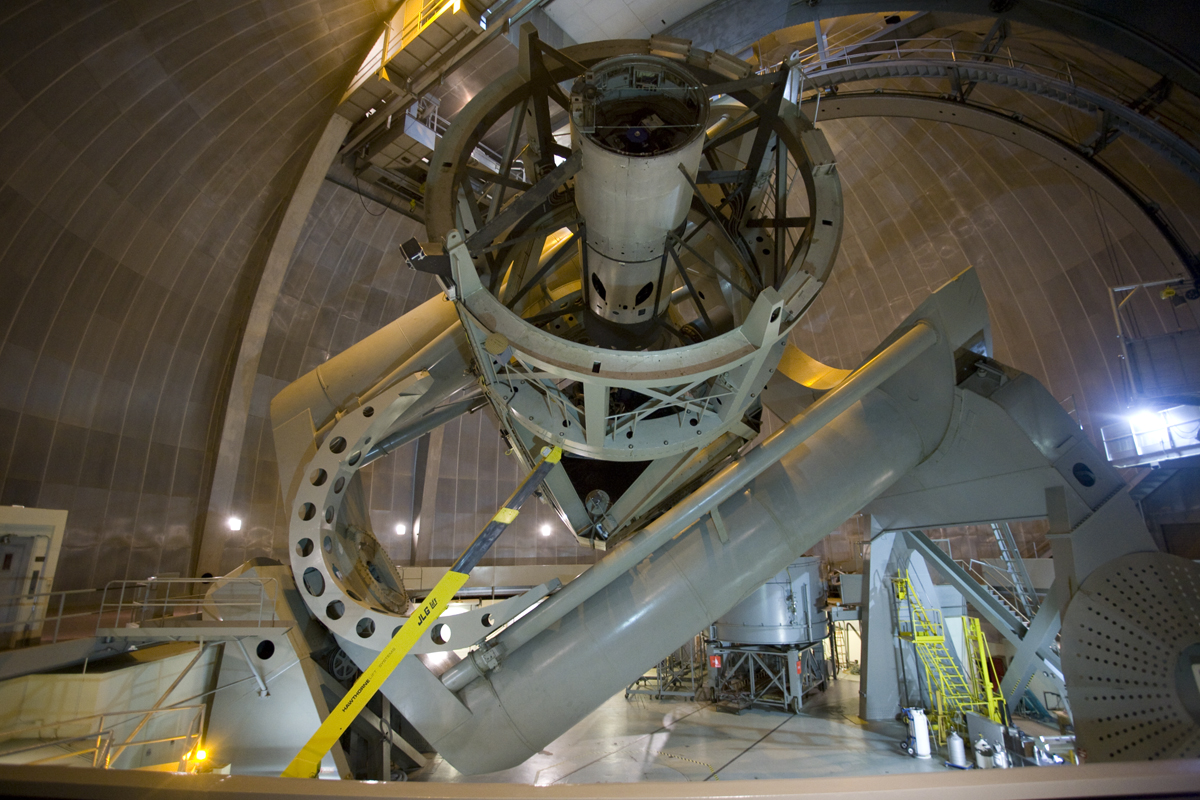 Here is the view of the telescope from the inside catwalk. The photo was taken from the east side of the telescope.
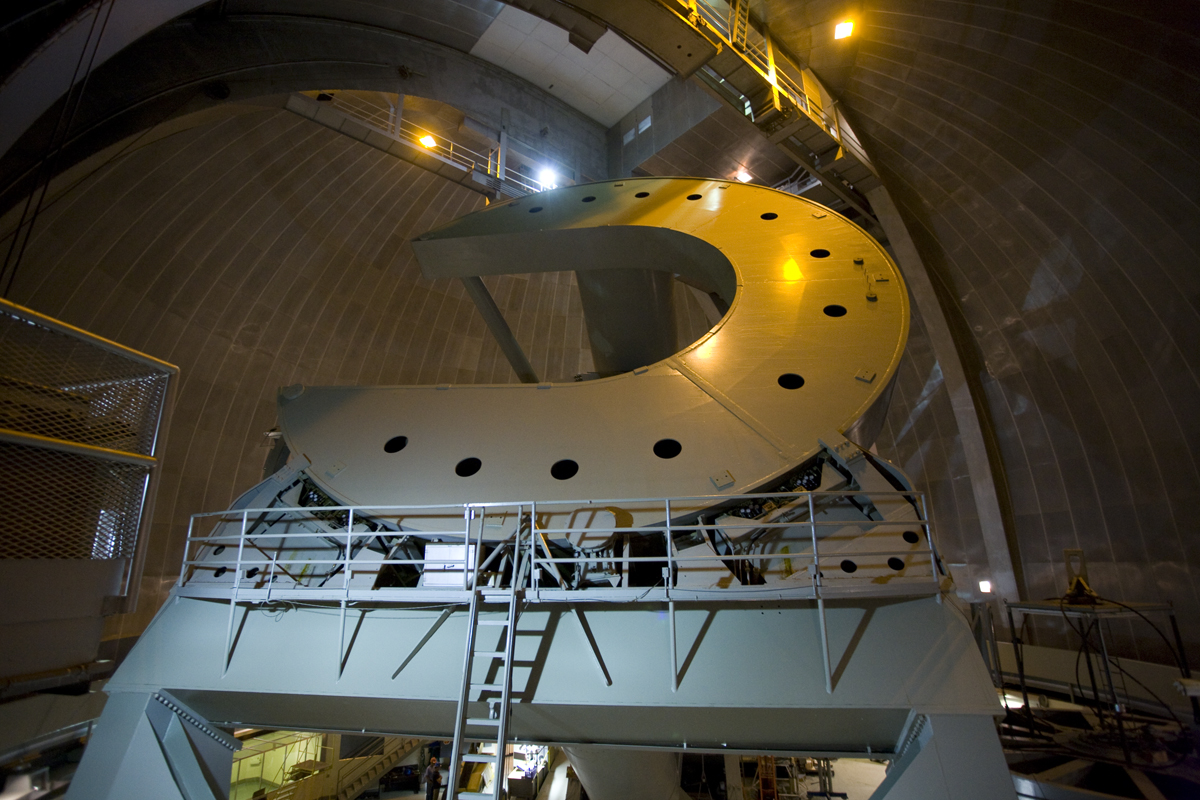 The view from the north of the telescope's horseshoe reveals just how far to the east it was pointed. For those who are really curious, it was pointed 5 hours 41 minutes east of zenith.
 Here is the view from on the observing floor on the north side of the telescope. The inspection crew is in the basket of the yellow lift.
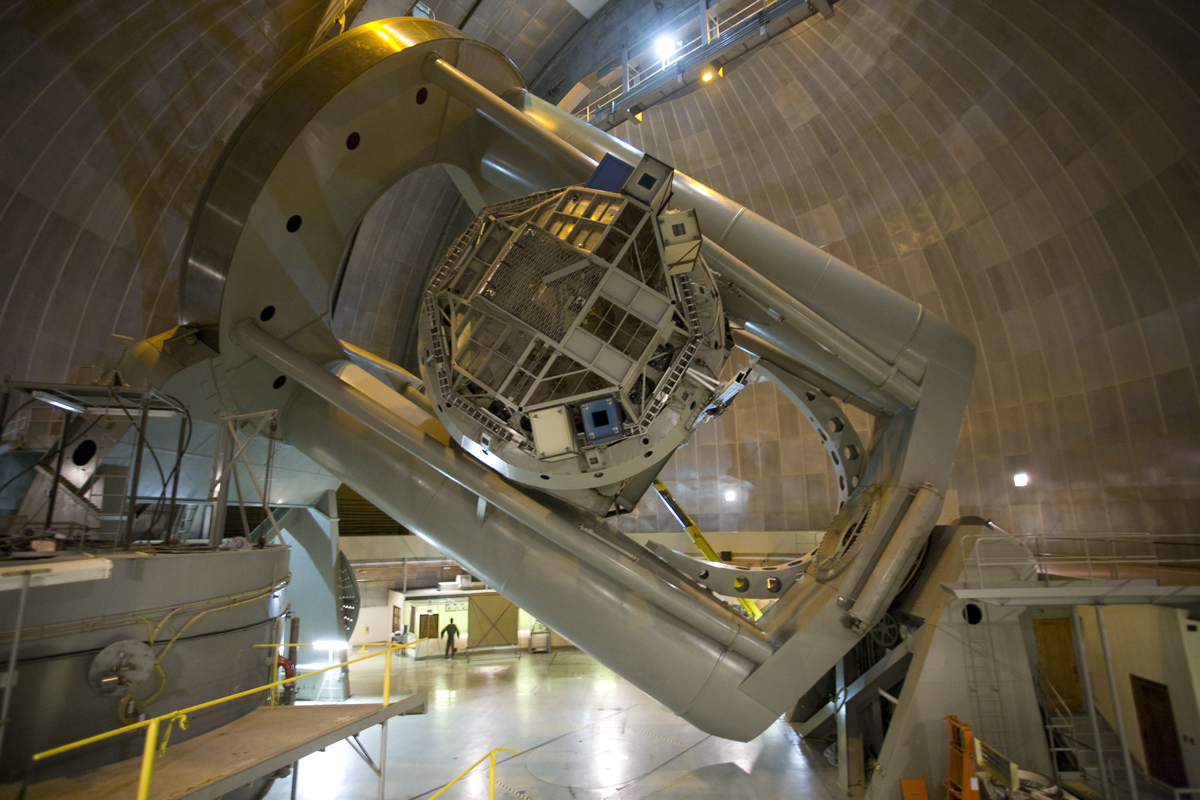 From the catwalk, west of the telescope, the view showed off the bottom of the Cassegrain cage.
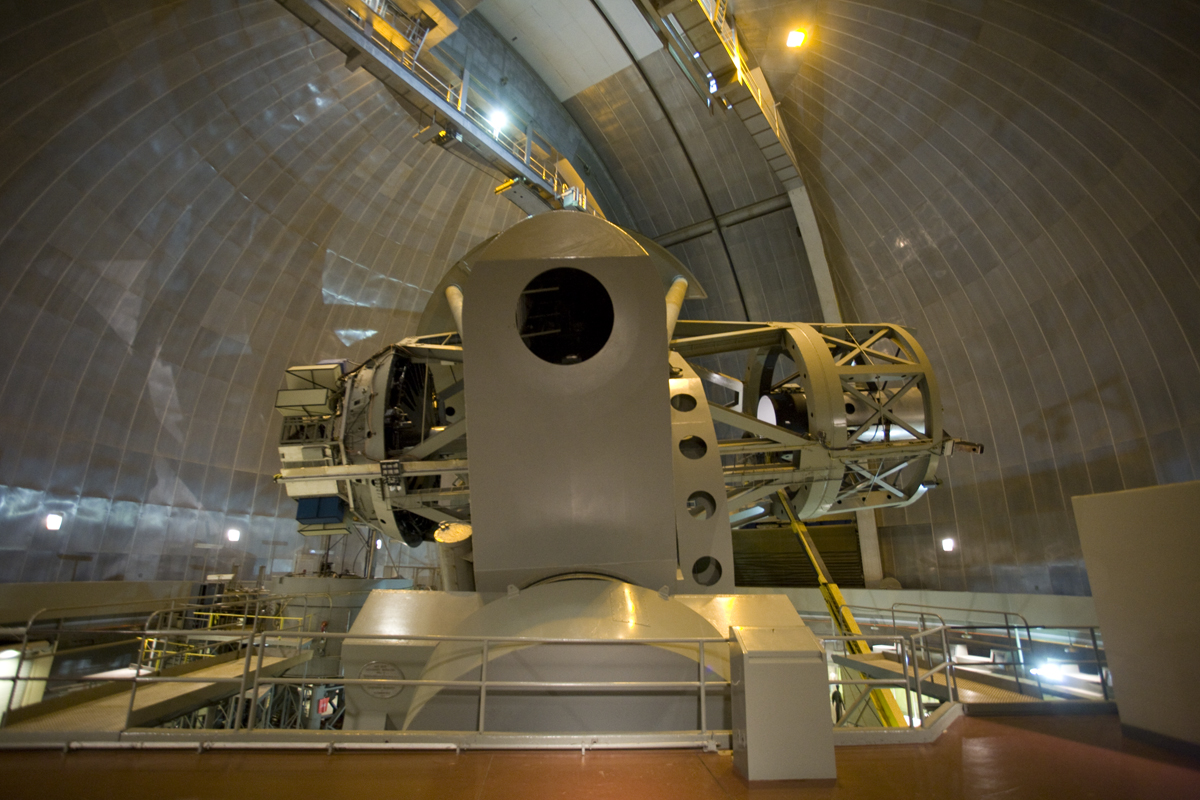 The view from south of the telescope reveals that it wasn't quite pointed to the horizontal -- but it was pretty close.
Here is the view of the telescope from the inside catwalk. The photo was taken from the east side of the telescope.The view from the north of the telescope's horseshoe reveals just how far to the east it was pointed. For those who are really curious, it was pointed 5 hours 41 minutes east of zenith.Here is the view from on the observing floor on the north side of the telescope. The inspection crew is in the basket of the yellow lift.From the catwalk, west of the telescope, the view showed off the bottom of the Cassegrain cage. The view from south of the telescope reveals that it wasn't quite pointed to the horizontal -- but it was pretty close.
Tuesday, October 19, 2010
Rain & Fog on Palomar
Anyone planning on traveling to Palomar Mountain today or in the next few days should pay close attention to the weather and road conditions.
Rain and fog are currently making for difficult driving conditions in the area. Additionally, rocks in the roads are likely during these times.
Be careful out there.

Rain and fog are currently making for difficult driving conditions in the area. Additionally, rocks in the roads are likely during these times.
Be careful out there.
Monday, October 18, 2010
Palomar History Photo of the Week - Resistance is Futile
Looking at this 1938 photo from the Caltech optical shop you might think that this optician was the inspiration for the Borg of the Star Trek universe.
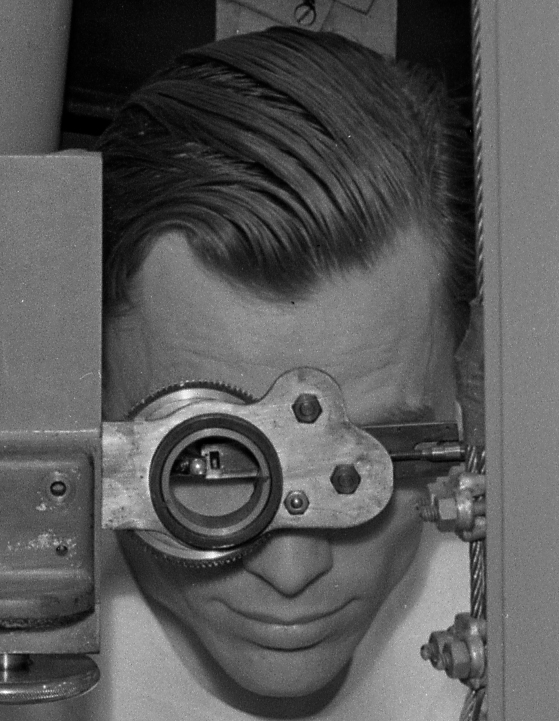 In actuality he was performing a Foucault knife-edge test to measure the shape of one of the secondary mirrors for the 200-inch telescope.
By showing the full photo you can get a better sense of the mechanism that was being used.
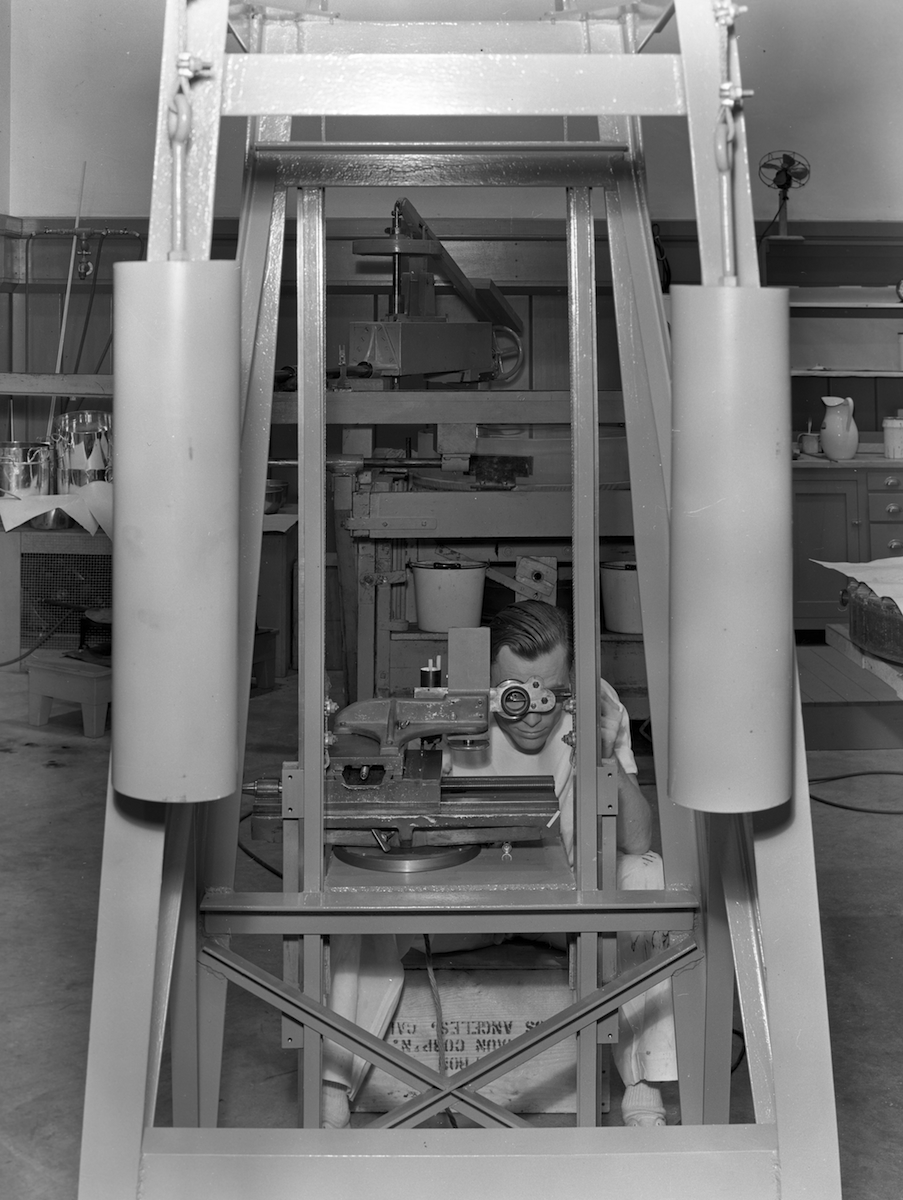
In actuality he was performing a Foucault knife-edge test to measure the shape of one of the secondary mirrors for the 200-inch telescope.By showing the full photo you can get a better sense of the mechanism that was being used.
Subscribe to:
Posts (Atom)

 Posts
Posts