Saturday, October 9, 2010

More Robo-AO Laser Pictures

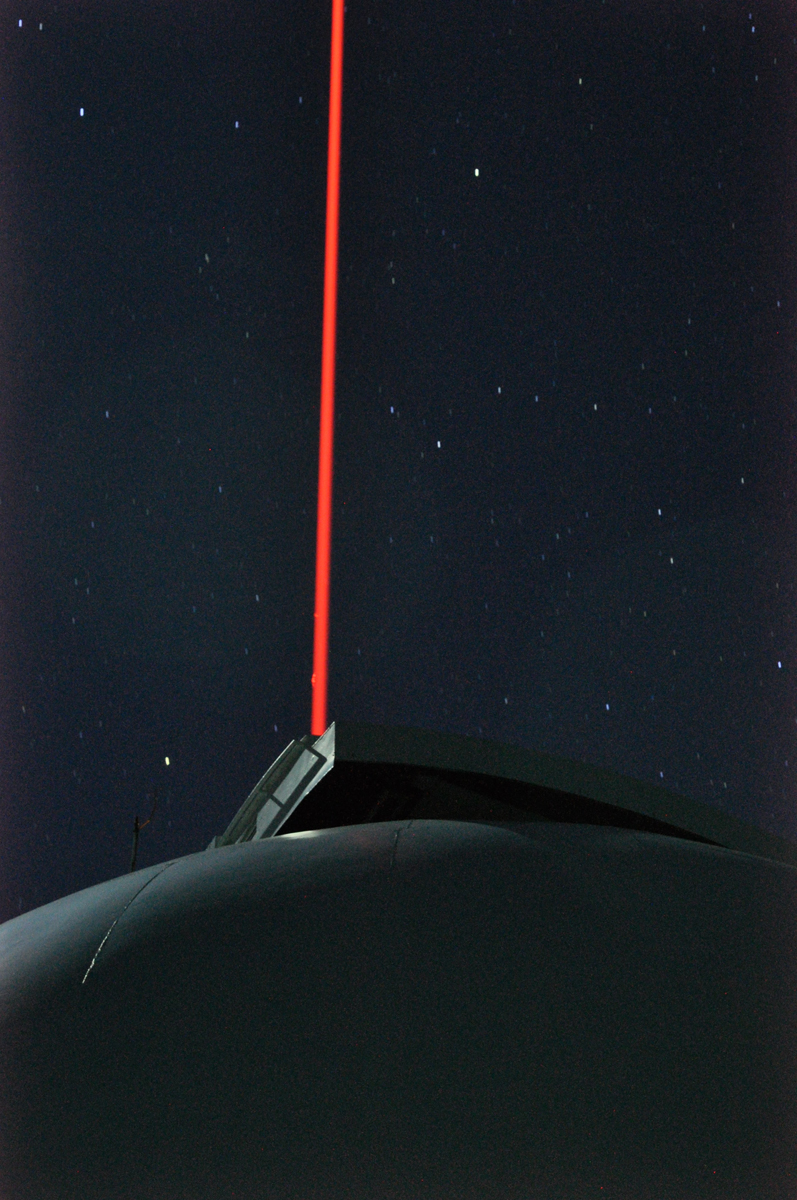
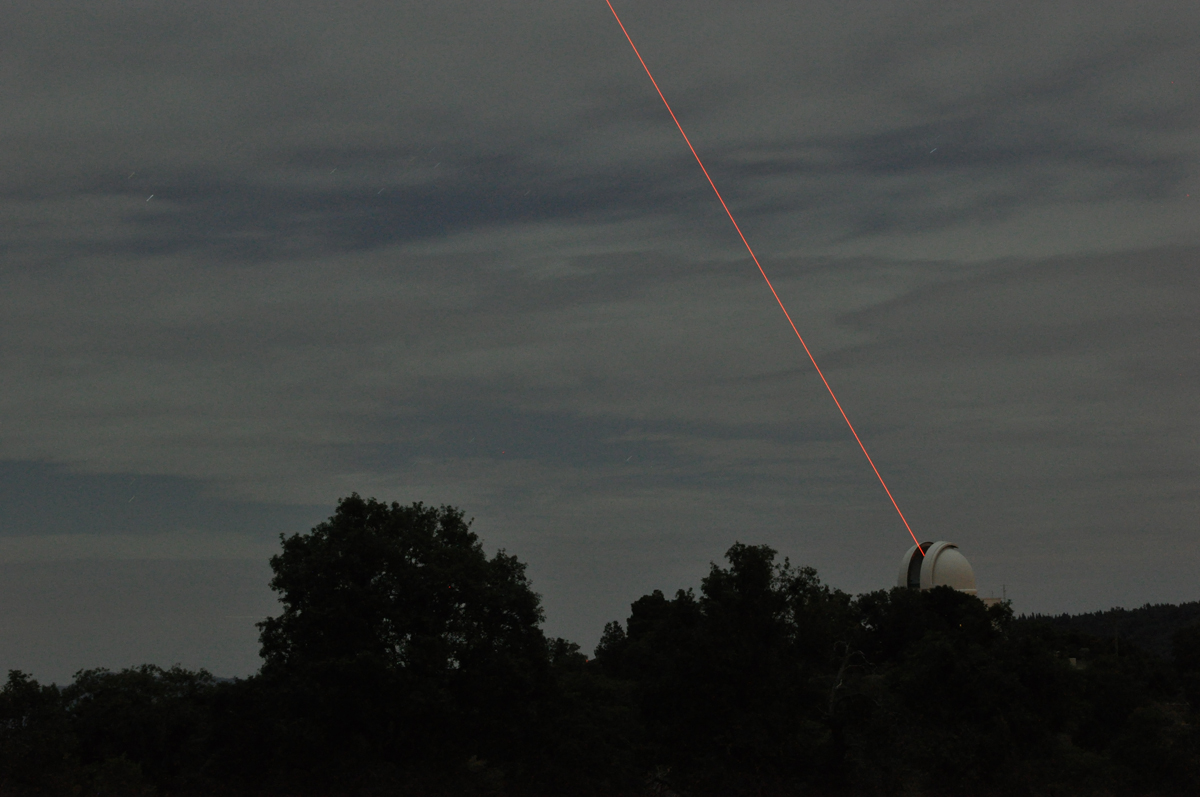
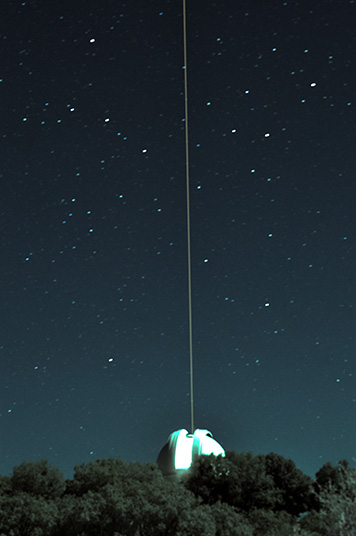
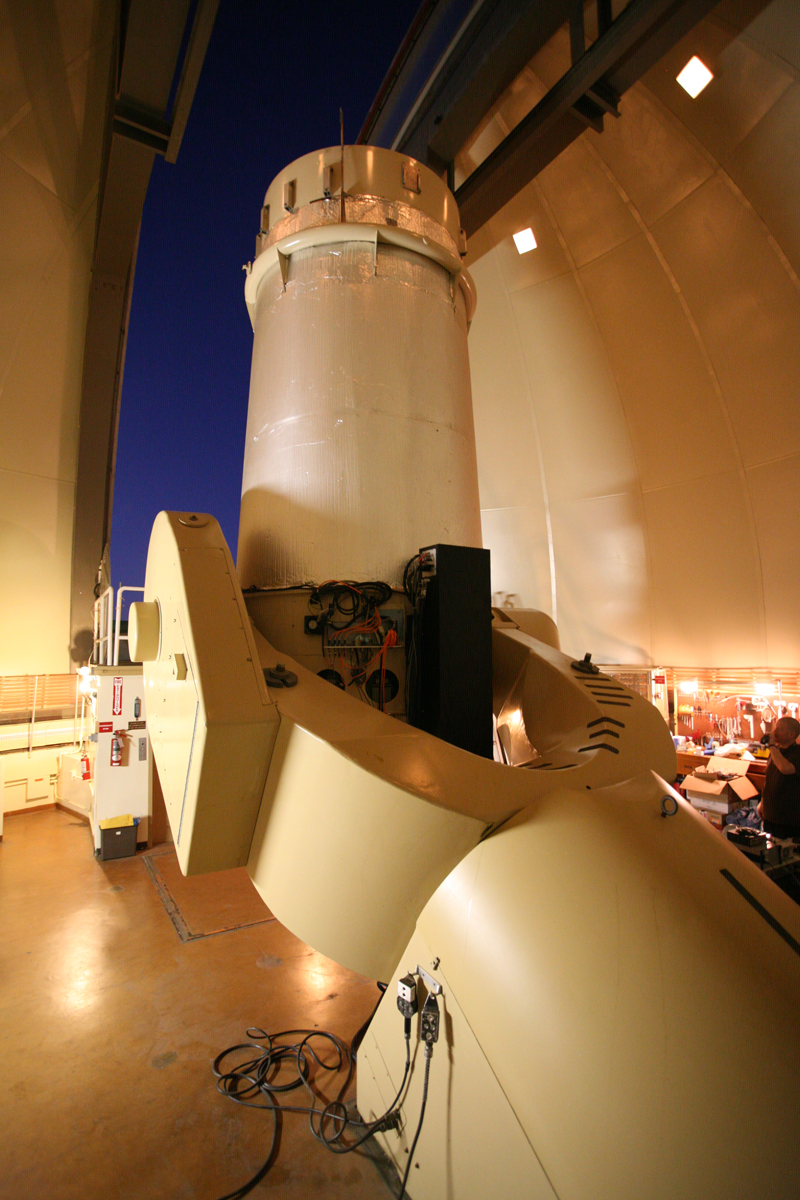
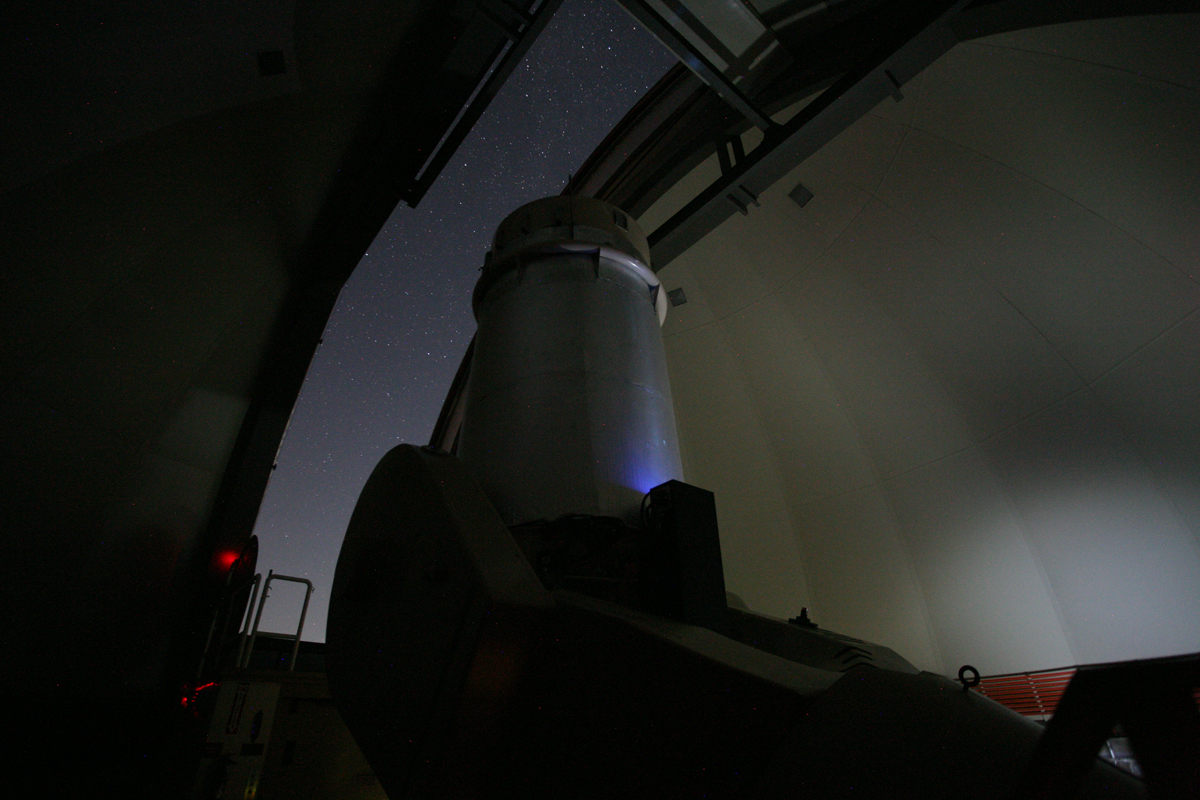
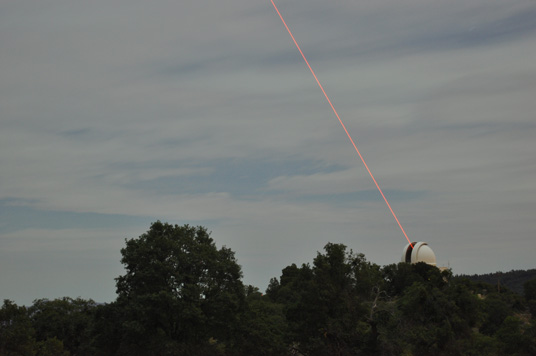
As promised here are a couple of photos of the recent laser tests on the Palomar 60-inch telescope for the Robo-AO project.

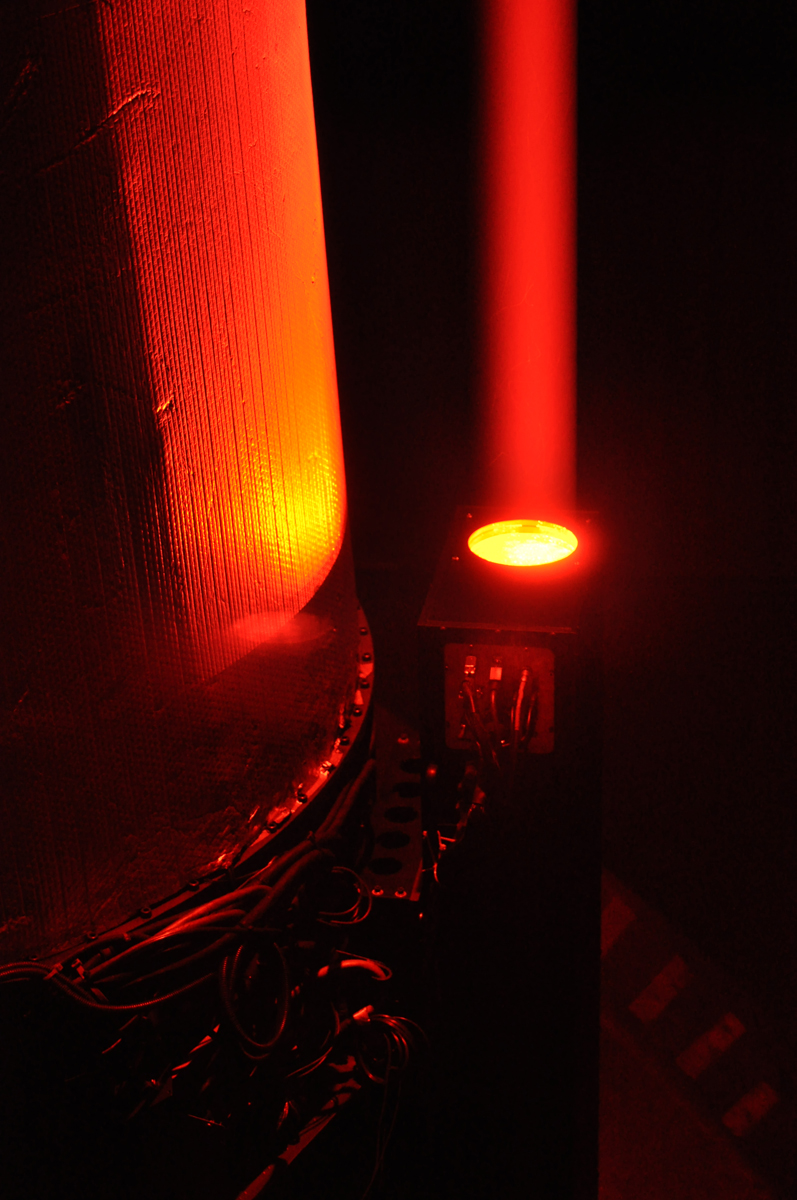
The first picture show a close-up view that shows a portion of the 60-inch telescope at left and a view of the UV laser and its beam propagating upward.


The second shot, taken just outside the dome, shows the laser beam against the star field.

Finally, we have a wider view showing the laser beam propagating upward into a cloudy sky.

Thanks go out to Christoph Baranec and the Robo-AO team for letting me post these shots. For more on the project be sure to check out my previous post and the Robo-AO website.

LCROSS Impact Anniversary

Today marks the one year anniversary of the impact of the LCROSS spacecraft into the Moon.

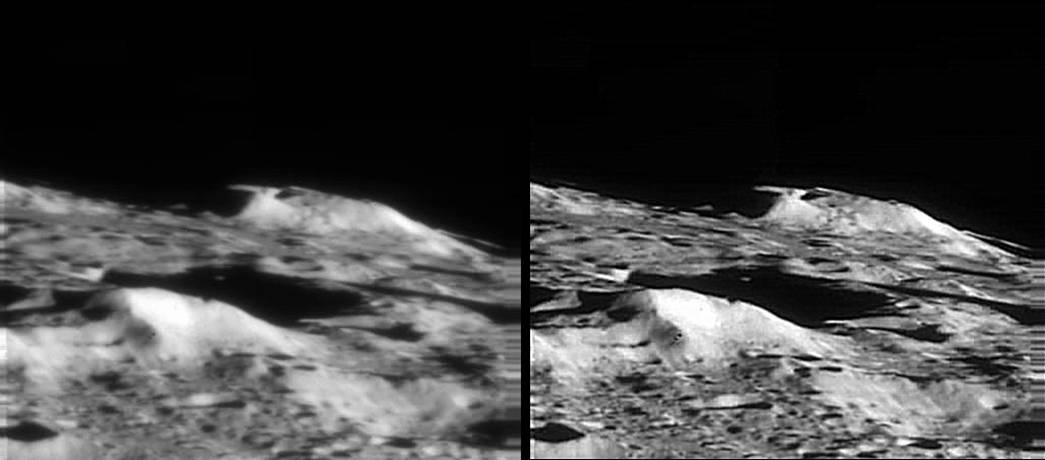
Palomar Observatory observed the event with the 200-inch Hale Telescope's adaptive optics system. While the impact plume was not observed the research team that used the Hale returned some pretty impressive images. The images were the best from any telescope that observed the event. A short video was produced from the frames taken before and after the impact.

UK amateur astronomer Paul Coleman recently took the individual frames from the movie and combined them with the image processing program Registax. In the process Paul took a good image and made it even better.

The adaptive optics corrected image from the 200-inch is on the left and the result of combining many frames is on the right.

Thanks go out to Paul for doing this and allowing me to share it with everyone here.

Friday, October 8, 2010

Palomar Owl

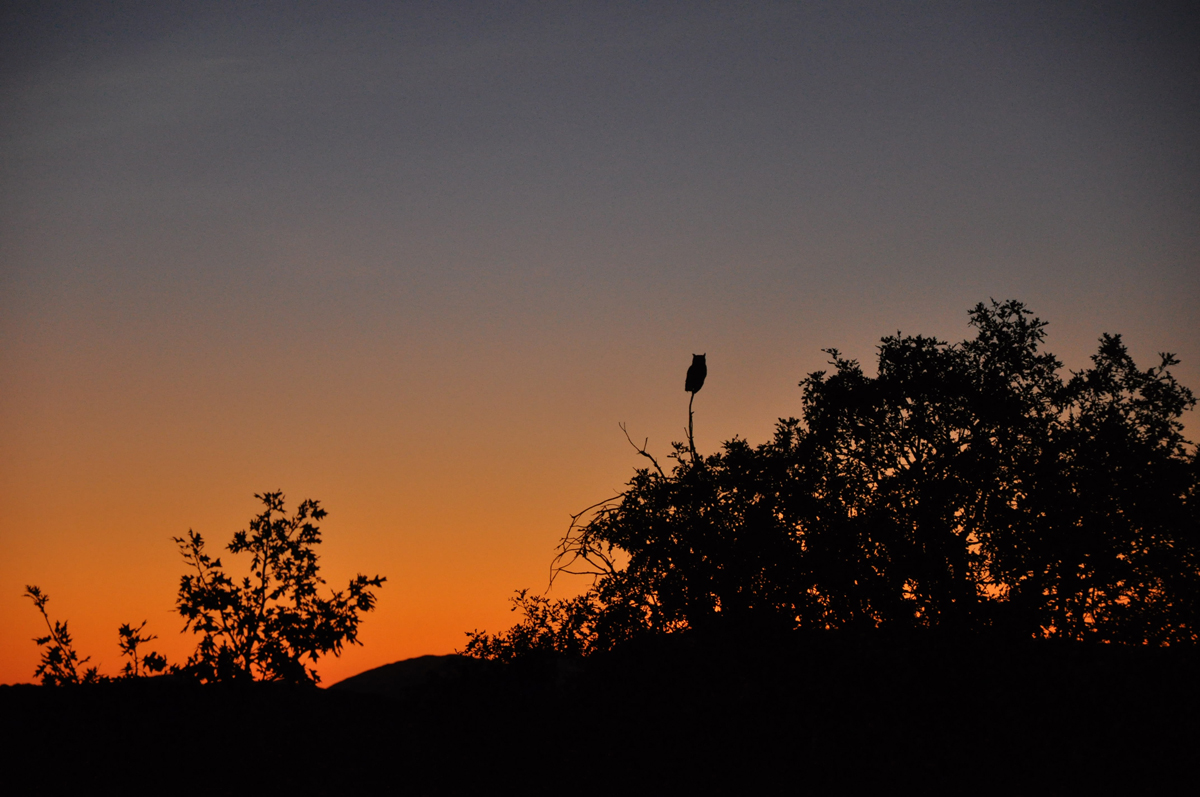
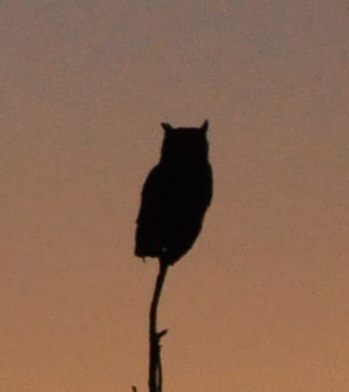
Last month, just before sunrise after the first successful laser test for the 60-inch telescope's Robo-AO system, Christoph Baranec (Robo-AO's P.I.) spied and photographed this owl:

We do not know if this is the same owl who had been perching on our all-sky camera, but we are checking into it. Alas, a technical issue has delayed out all-sky camera from going public just yet.

We will let you know as soon as the all-sky camera is up for public display. In the meantime, enjoy this full-resolution look at the owl.


By the way, Christoph also took some great shots of the Robo-AO laser in action. Look for those to be posted here soon.

Astrophoto Friday - the Blackeye Galaxy

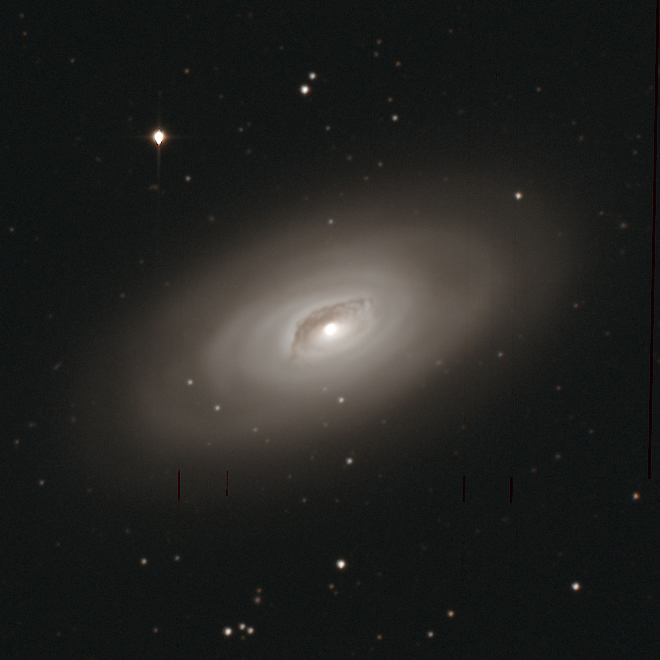
This week's astrophoto is of the Blackeye Galaxy, also known as M64. M64 is spiral galaxy located about 19 million light years distant in the direction of the constellation of Coma Berenices.


The image was captured by the Palomar Transient Factory team using Palomar's 48-inch Samuel Oschin Telescope.

Monday, October 4, 2010

Palomar History Photo of the Week: October 4, 2010

Sixty three years ago this week Caltech announced that the job of polishing the 200-inch mirror had been completed. The lead optician on the project was Marcus Brown. Brown celebrated the conclusion of his work be signing the glass:

Friday, October 1, 2010

Astrophoto Friday - the Milky Way & Light Pollution

You may recall that back in August I posted a photo of the Perseid Meteor Shower over Palomar's Hale Telescope taken by astronomer Iair Arcavi. You might also recall his Two Nights at the Palomar Observatory YouTube video.

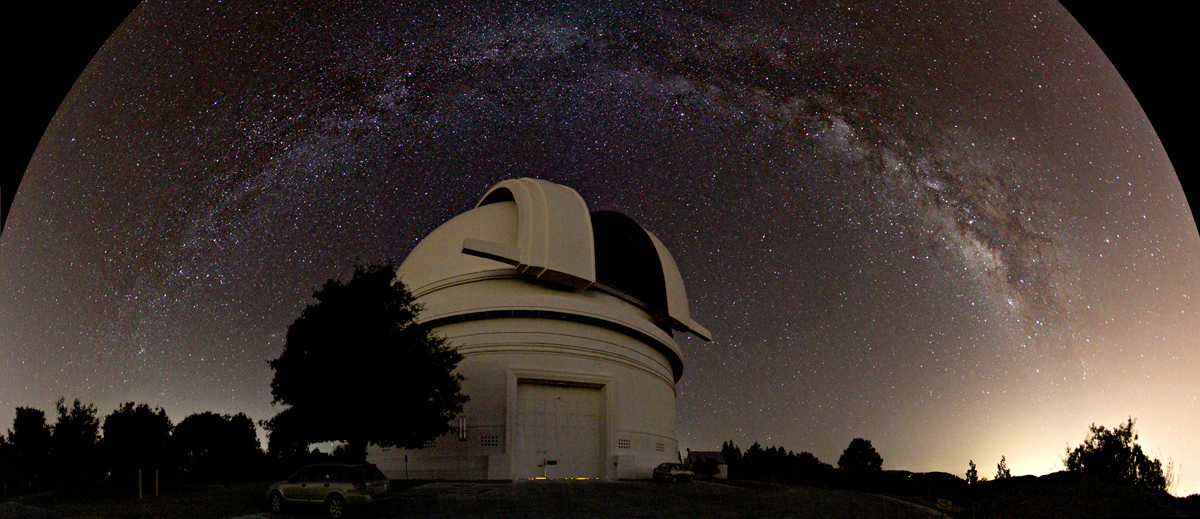
Iair has processed of some the imagery he shot those two nights to produce this dramatic panorama of the Milky Way over the Hale Telescope.

His composite image is made from 14 separate exposures.

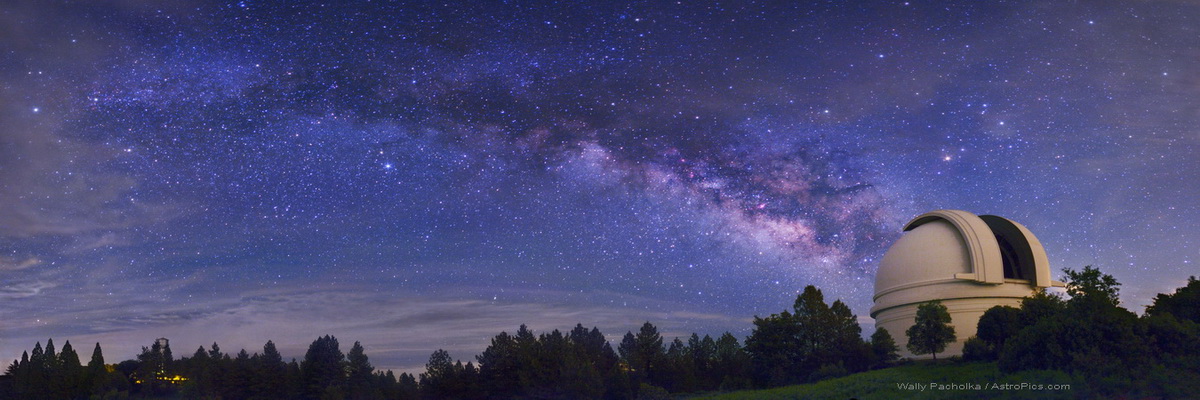
Compare it to the other panorama image of the Hale and the Milky Way - Wally Pacholka's Milky Way over Palomar you'll notice some dramatic differences.


Apart from the way the the two images were processed, the weather was very different on the two nights.

In the image taken by Wally there were a few clouds in the sky and a vast sea of them below Palomar Mountain. The low clouds are not visible in his image, but they effectively dimmed the city lights.

Iair's image there were no low clouds blocking the city lights making the ugly glow of light pollution easily visible. Notice how the light of the Milky Way galaxy is vanquished by the bright glow of the many lights in San Diego and Riverside Counties. There is even a smaller glow on the right produced by the lights of Palm Springs.

Because Nature does not always bring in the low clouds that protect Palomar Observatory's view of the universe, we ask all our neighbors to help do their part by making sure that nighttime lights are properly shielded and turned off when not absolutely needed.

Wednesday, September 29, 2010

Robo-AO Comes to Palomar

Robo-AO, a new laser-guide star adaptive optics system for Palomar's 60-inch telescope, had a successful test of their laser last weekend.

False-color composite image of the Robo-AO laser & 60-inch telescope

Adaptive optics is a technique that allows ground-based telescopes to remove the blurring affects caused by Earth's atmosphere. The adaptive optics system uses a star as a calibration source and then deforms a small mirror to correct for distortions caused by the atmosphere. The corrections are made faster than the atmosphere can change -- often thousands of times per second.

By projecting a laser into the sky astronomers can expand this technique to cover a larger fraction of the sky.

Here is the 60-inch telescope last Sunday night just after the dome was opened.

The 12-Watt laser is in the black box mounted on the south side of the telescope (between the arms of the mount).

Here is the view with the lights turned off and the laser turned on:

Notice that you can't see the laser (but you can see where it is making a part of the telescope's insulation fluoresce!). Being invisible is one of the chief advantages for the laser.

The light that the laser emits is invisible ultraviolet light. Because you can't see the laser light this system requires no human spotters to be staged outside looking for air planes. All laser-guide star systems (like the one that has been used on the 200-inch Hale Telescope) that make use of visible light are required by the FAA to have spotters. Even hand-held laser pointers can be a danger to aircraft.

The Robo-AO system does not require spotters, which is perfect because the telescope normally operates in robotic mode without any people being present.

As the UV laser shines up toward its astronomical target astronomers make use of something known as Rayleigh scattering. The UV light scatters off of molecules in the air, giving a return signal that tells the deformable mirror in the adaptive optics system how to correct for atmospheric turbulence.

The Robo-AO system will be the first robotic laser-guide star adaptive optics system, delivering high-angular-resolution observing in the visible for up to hundreds of targets per night. This will enable the exploration of science parameter spaces inaccessible to large diameter telescope adaptive optics systems. A fully-working testbed has been operating at Caltech in the Cahill Center for Astronomy and Astrophysics basement for several months, and the system is expected to start its science demonstration period in early 2011 at Palomar Observatory's 60-inch telescope.

From there the Robo-AO system will be available as a relatively affordable and portable option for to 1-3 meter class telescopes around the world.

The Robo-AO project is a collaboration between Caltech Optical Observatories and the Inter-University Centre for Astronomy and Astrophysics and is partially funded by the National Science Foundation.
Monday, September 27, 2010

Palomar History Photo of the Week - September 27, 2010

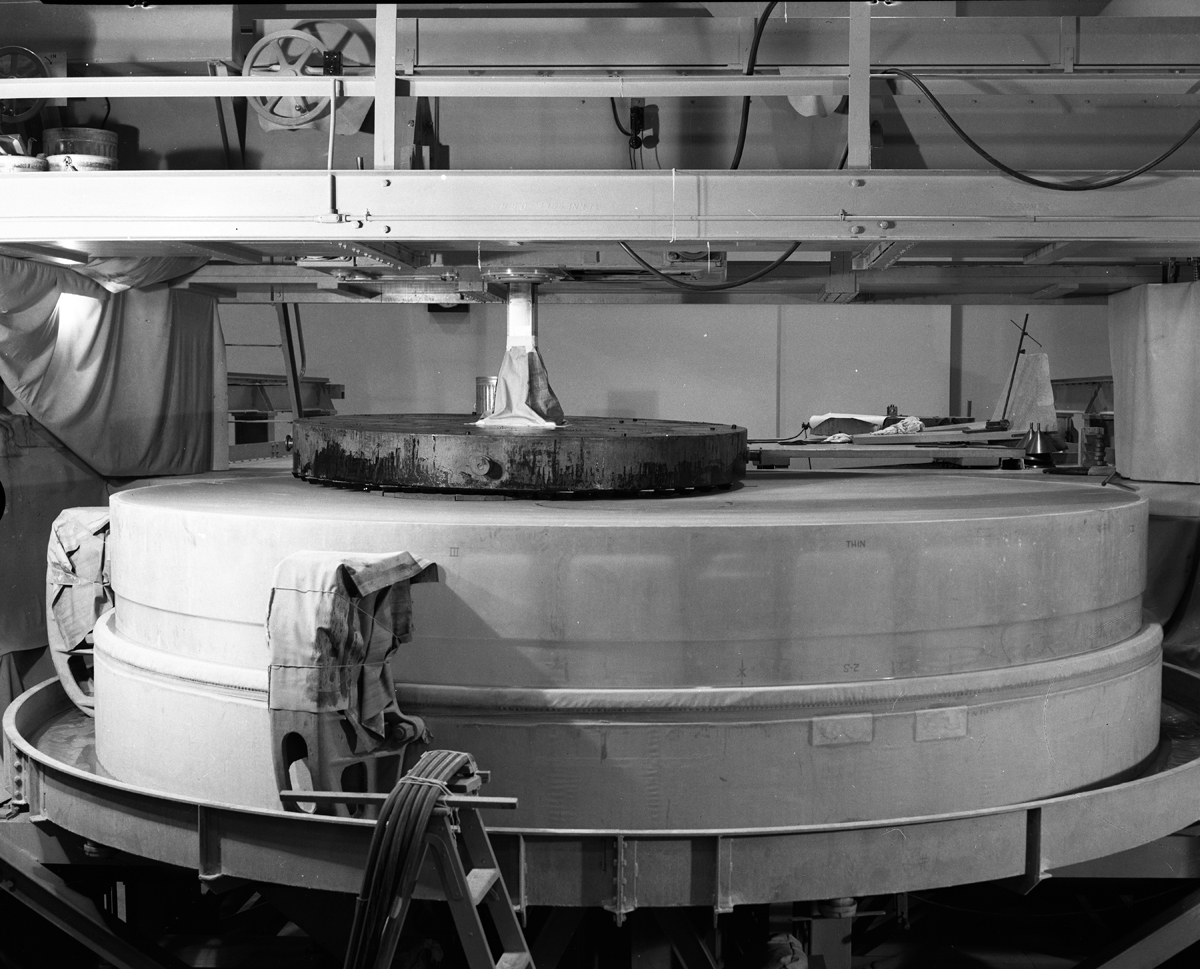
Here is the 200-inch disc in the optical shot at Caltech on January 3, 1938*. That is a 104-inch grinding tool sitting on the huge Pyrex disc.

In this view from the side you can see through the edge of the glass and make out the honeycombed structure that forms the underside of the disc.

Thanks go out to Nancy who has been helping with our scanning of this and other vintage Palomar images!

*Curiously enough the next photo in this archive shows an optician working on a smaller piece of optics. On the wall behind him is a 1939 calendar, so it may be that the image above has an incorrect date.

Sunday, September 26, 2010

Minotaur Launch

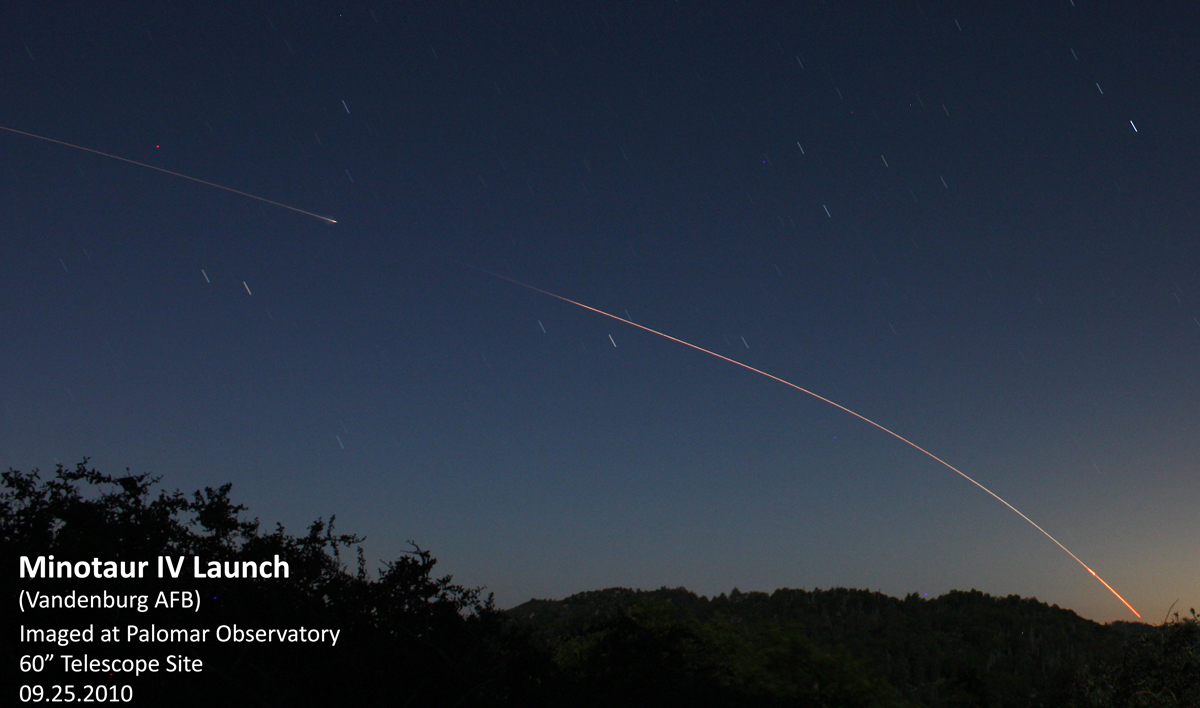
Check out this photo of last night's Minotaur IV launch:


It was a beautiful display that was captured nicely with this 119-second exposure photo taken by Mark Lane from the parking lot of the Palomar 60-inch telescope. The launch was the perfect end to a Friends of Palomar Observatory event that took place last evening.

Click to embiggen and you should notice that Mark's photo nicely captured the two staging events of the launch. The rocket was launched from Vandenberg Air Force Base.

If you are interested in seeing events like this in the future, be sure to check out the updates that are posted at spaceflightnow.com.

Friday, September 24, 2010

Astrophoto Friday - The UFO Galaxy

As of their last web update the Palomar Transient Factory (PTF) has so far discovered 752 supernovae. The heart of the PTF survey is Palomar's 48-inch Samuel Oschin Telescope - a wide-field Schmidt camera. It operates in robotic mode, taking a new image of the night sky every 90 seconds.

Most of the time the images are optimized to hunt for supernovae and are not cleaned up to make them visually appealing. Thankfully some of the PTF team has taken the time to produce some nice shots, which I will be sharing here from time to time. Our first one is of a galaxy known as NGC 2683.


NGC 2683 is a nearly edge-on spiral galaxy located some 16 million light years away in the direction of constellation Lynx. NGC 2683 is nicknamed the UFO Galaxy.